PratimaaTech
BUILDING
YOUR DIGITAL EXPERIENCE
0%
Apr 14, 2026
Digital SolutionsDiscover the essential features every modern business website should have to build trust, improve user experience, generate leads, and grow online.
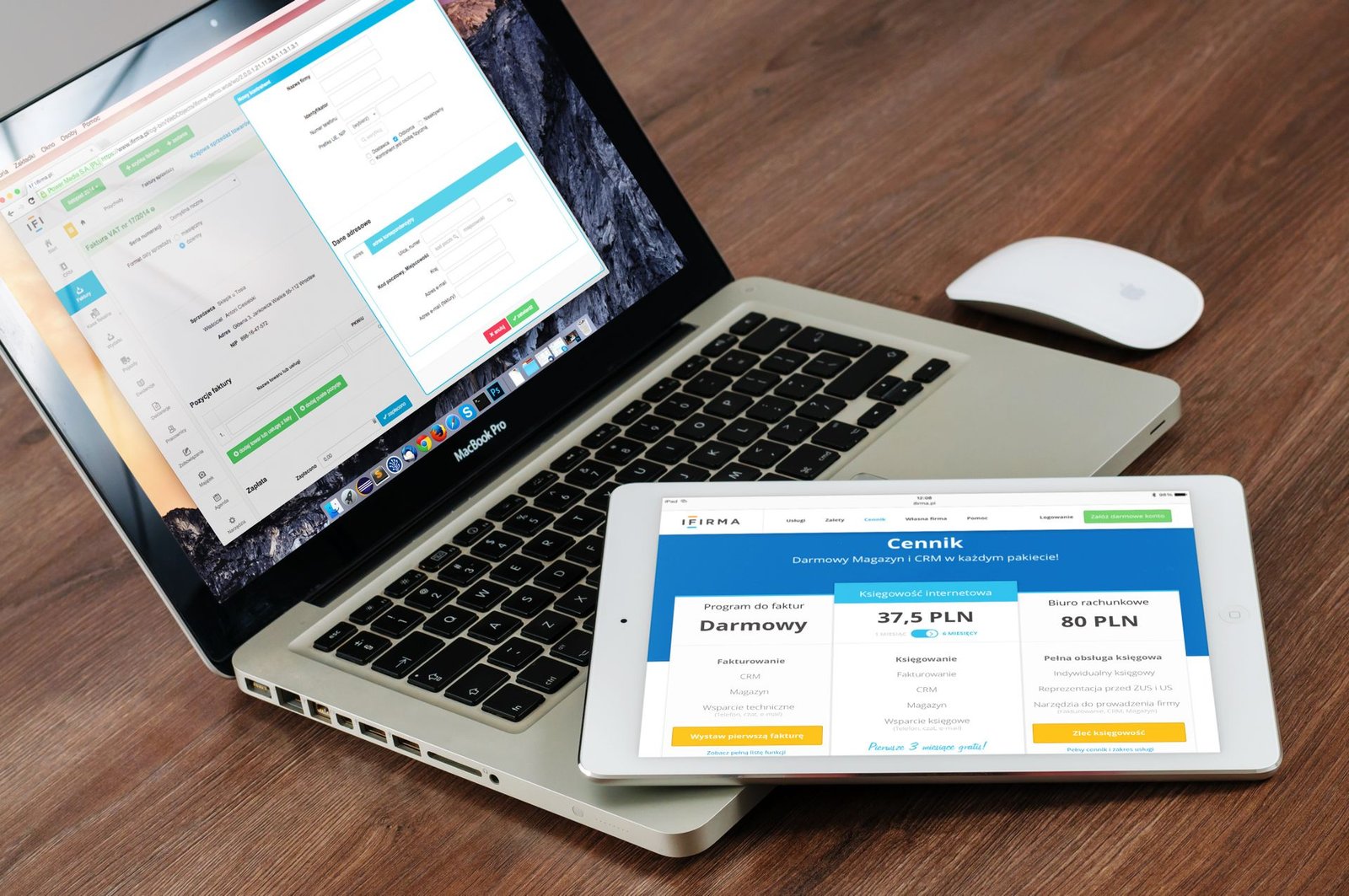
A business website in 2026 is much more than an online brochure. It can act as a digital storefront, marketing channel, lead-generation tool, customer support platform, and sales assistant—all working together to help your business grow.
Today’s customers expect websites to be fast, mobile-friendly, professional, secure, easy to navigate, and genuinely useful. A slow or outdated website can make it harder to build trust and convert visitors into customers.
If you are planning to build a new business website or redesign your existing website, it is important to focus on features that provide real value to both your customers and your business.
Here are the key features a modern business website should have in 2026.
A modern website must work smoothly across different devices and screen sizes.
Your customers may access your website using:
Smartphones
Tablets
Laptops
Desktop computers
A responsive website automatically adapts its layout, images, text, and navigation to different screen sizes.
Since a significant portion of website traffic comes from mobile devices, mobile-first design should be a priority rather than an optional feature.
Your website is often the first interaction a potential customer has with your business.
A professional UI/UX design should provide a clean and consistent experience through:
Simple and intuitive navigation
Clear page structure
Consistent branding
Readable typography
Well-designed buttons
Proper spacing
High-quality images and graphics
Easy-to-understand content
Good UX should help visitors quickly find what they are looking for and understand what action they should take next.
The goal is not simply to make a website look attractive—it should also make the customer journey easier.
Website speed directly affects the user experience.
Visitors are less likely to stay on a website that takes too long to load.
Website performance can be affected by:
Large or unoptimized images
Excessive JavaScript
Unnecessary third-party scripts
Poor hosting
Unoptimized code
Too many plugins or integrations
A modern website should be optimized for performance from the beginning.
This includes image optimization, efficient code, caching, reliable hosting, and minimizing unnecessary resources.
Your customers should be able to understand exactly what your business offers.
Instead of putting every service into one long page, consider creating dedicated pages for individual services.
For example, a technology company may have separate pages for:
Web Development
E-Commerce Development
UI/UX Design
AI Chatbot Development
SEO Services
Digital Marketing
Website Maintenance
Dedicated service pages make it easier for visitors to understand your offerings and can also provide additional opportunities to target relevant search queries.
A website should clearly guide visitors toward the next step.
Useful calls to action include:
Get a Quote
Contact Us
Book a Consultation
Start a Project
Request a Callback
WhatsApp Us
Schedule a Meeting
CTA buttons should be clearly visible without making the website feel overly promotional.
The best CTA is usually the one that matches the visitor's intent.
Make it easy for potential customers to contact your business.
A well-designed enquiry form can collect information such as:
Name
Email address
Phone number
Company name
Required service
Budget range
Project requirements
Additional details
Instead of forcing visitors to search for your email address or phone number, a simple form can make the enquiry process faster and more convenient.
For many businesses, WhatsApp has become an important communication channel.
Adding a WhatsApp button allows visitors to start a conversation directly from your website.
It can be particularly useful for:
Service enquiries
Quote requests
Quick questions
Appointment enquiries
Customer support
Product enquiries
For businesses targeting customers who prefer instant communication, WhatsApp integration can make the website significantly more accessible.
AI is becoming an increasingly useful feature for modern business websites.
An AI chatbot can help visitors with common questions and basic interactions, such as:
Explaining services
Answering FAQs
Providing product information
Helping visitors navigate the website
Collecting leads
Qualifying enquiries
Providing basic customer support
For more complex enquiries, the chatbot can direct the visitor to a human representative.
The key is to use AI where it genuinely improves the customer experience rather than adding it simply because it is a trending technology.
Building a website is only part of the process. Customers also need to be able to find it.
A modern business website should have a strong technical and content foundation for search engine optimization.
Important SEO elements include:
SEO-friendly URLs
Proper heading structure
Unique page titles
Meta descriptions
Internal linking
Optimized images
Mobile responsiveness
Fast loading speed
Useful and original content
Structured data where appropriate
Proper indexing configuration
A well-structured website can provide a strong foundation for long-term organic search visibility.
A blog allows businesses to regularly publish useful information related to their industry.
For example, a technology company could publish content about:
Web development
Artificial intelligence
SEO
Digital marketing
E-commerce
Cybersecurity
Website maintenance
Business automation
A useful blog can help educate potential customers, demonstrate industry knowledge, and create opportunities to attract relevant search traffic.
The focus should always be on creating content that answers real customer questions.
Before contacting a business, many potential customers want to know whether other customers have had a positive experience.
Your website can showcase:
Customer testimonials
Reviews
Client feedback
Case studies
Project results
Client logos, where appropriate
Testimonials should be genuine and presented accurately.
Authentic customer feedback can help establish credibility and give new visitors greater confidence in your business.
If you provide professional services, show potential customers what you have actually delivered.
A portfolio can include:
Project screenshots
Project descriptions
Business requirements
Challenges faced
Solutions provided
Technologies used
Services delivered
Results achieved
Case studies can go one step further by explaining the complete journey from problem → solution → outcome.
This helps potential customers understand not only what you do, but also how you approach real business problems.
Security should be considered from the beginning of website development.
At a minimum, a business website should use HTTPS and follow appropriate security practices.
Depending on the type of website, additional security measures may include:
Secure authentication
Access controls
Regular backups
Software updates
Security monitoring
Secure payment processing
Form and API protection
Protection against common web vulnerabilities
If your website collects customer information or processes payments, security becomes even more important.
Website analytics help businesses understand how visitors interact with their website.
Useful information can include:
Number of visitors
Traffic sources
Most visited pages
User engagement
Form submissions
Phone or WhatsApp interactions
Conversion events
Marketing campaign performance
This data can help businesses understand what is working and where improvements may be needed.
A modern website should not simply generate traffic—it should help businesses understand what happens after visitors arrive.
Businesses frequently need to update their websites.
A suitable Content Management System (CMS) can make it easier to manage:
Website pages
Blog posts
Images
Services
Products
Testimonials
FAQs
Offers and announcements
A good CMS can reduce dependency on developers for simple content changes while allowing technical teams to handle more complex functionality.
If your business sells products online, your website may require a complete e-commerce system.
Depending on the business model, features may include:
Product catalog
Product search and filtering
Shopping cart
Checkout
Payment gateway
Order management
Inventory management
Customer accounts
Shipping information
Coupons and discounts
Order notifications
The exact functionality should be selected based on your products, customers, payment methods, and operational requirements.
For service-based businesses, an online booking system can make the website much more useful.
Customers may be able to:
Select a service
Choose a date
Select an available time
Submit their information
Receive confirmation
Reschedule or cancel an appointment
This can be particularly useful for consultants, agencies, clinics, salons, trainers, travel businesses, and other appointment-based services.
Launching a website is not the end of the project.
Websites require ongoing maintenance to remain secure, functional, and up to date.
Regular maintenance may include:
Backups
Security updates
Bug fixes
Performance optimization
Content updates
Plugin and software updates
Hosting management
Domain management
Technical monitoring
A website maintenance plan can help businesses avoid preventable technical problems and keep their online presence reliable.
Your website should be capable of growing alongside your business.
You may eventually want to add:
New services
New products
Customer dashboards
AI tools
Online booking
Payment systems
CRM integrations
Marketing automation
Third-party APIs
Business management tools
Planning for scalability during the initial development can make future expansion easier and reduce the need for expensive redevelopment.
A modern website does not have to work as a standalone system.
It can connect with other tools and platforms, such as:
CRM systems
Email marketing platforms
Payment gateways
Google Analytics
Advertising platforms
Customer support systems
Appointment systems
Accounting software
Marketing automation tools
These integrations can help businesses automate repetitive processes and manage leads and customers more efficiently.
The cost of a business website depends on the requirements and complexity of the project.
Factors that can affect the cost include:
Number of pages
UI/UX design requirements
Technology stack
Custom functionality
CMS requirements
E-commerce functionality
Third-party integrations
SEO requirements
AI features
Payment integration
Hosting requirements
Maintenance and support
A simple company website can have a very different development cost compared with a custom web application or e-commerce platform.
The best approach is to define the requirements first and then prepare a development plan and estimate based on those requirements.
Not every business needs every feature listed above.
For example:
A small business may primarily need:
Responsive design
Professional UI/UX
Service pages
Contact form
WhatsApp integration
Google Maps
Testimonials
Basic SEO
Analytics
A service company may additionally benefit from:
Detailed service pages
Portfolio
Case studies
Lead-generation forms
Online booking
AI chatbot
CRM integration
Marketing automation
An online store may require:
Product catalog
Search and filters
Shopping cart
Secure checkout
Payment gateway
Order management
Inventory management
Customer accounts
Shipping integration
The right website is not necessarily the one with the most features. It is the one that includes the right features for your customers and business objectives.
At PratimaaTech, we help businesses build, improve, and manage their digital presence with solutions designed around their business requirements.
Our services include:
Business Website Development
Web Application Development
UI/UX Design
E-Commerce Development
AI Chatbot Integration
SEO Services
Google Ads
Digital Marketing
Website Redesign
Website Deployment
Hosting Support
Website Maintenance
Ongoing Website Management
Whether you need a simple business website, a professional e-commerce store, a lead-generation website, or a customized web application, our goal is to create a digital solution that supports your business and gives your customers a better online experience.
Your website should do more than simply exist online. It should help your business attract visitors, build trust, generate enquiries, and support growth.
If you are planning a new website or want to redesign your existing website, PratimaaTech can help you plan and develop a solution based on your business goals.
Contact PratimaaTech today to discuss your website development project.

Apr 09, 2025
Web Development
Mar 02, 2025
Support and Management
Feb 26, 2025
Web Development
Jan 16, 2025
AI & Chatbot Integration
 Home
Home